


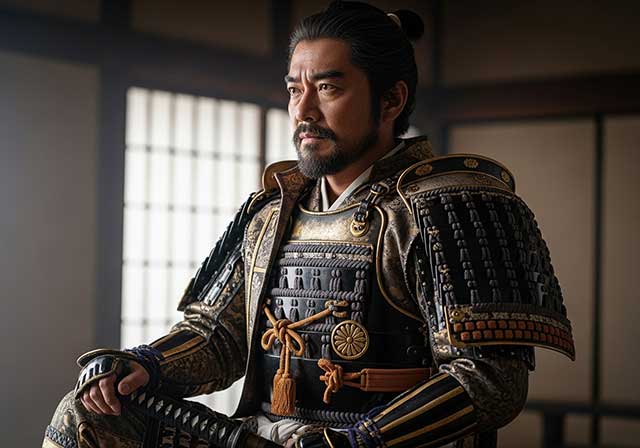
Katsumoto was born into the family of Katagiri Naomasa, who came from an ancient and noble lineage. The Katagiri clan had served the early shoguns of the Minamoto house for over five centuries and held lands in the northern part of Shinano Province.
From a young age, Katsumoto served under Toyotomi Hideyoshi and first distinguished himself in the Battle of Shizugatake in 1583. For his bravery, he was included in the famous group known as the “Seven Spears of Shizugatake” (“Shizugatake no Shichihon Yari”). In 1587, he took part in the campaign to conquer Kyushu and was rewarded with land in the Ibaraki area of Settsu Province.
Despite his noble birth and military accomplishments, Katsumoto’s career advanced more slowly than that of other members of the “Seven Spears,” such as Kato Kiyomasa and Fukushima Masanori. Hideyoshi preferred to keep him in Osaka and did not send him to distant campaigns. After Hideyoshi’s death in 1598, the position of official guardian to his young heir, Toyotomi Hideyori, was first given to Maeda Toshiie, but after Toshiie’s death the following year, Katsumoto assumed the role. Along with this position, he received an income of 28,000 koku of rice from his estate in Tatsuta, located in Yamato Province.
During the Sekigahara campaign in 1600, Katsumoto maintained a neutral stance. Nevertheless, after the Eastern Army’s victory, Tokugawa Ieyasu granted him new lands and increased his stipend. Soon after, Katsumoto was appointed chamberlain to the Toyotomi family — though some sources describe his role as that of chief of staff. For the next fifteen years, he worked tirelessly to mediate peace between Tokugawa Ieyasu and Lady Yodo (Yodogimi), the mother of Toyotomi Hideyori.
Following the peace agreement that concluded the so-called “Winter Campaign of Osaka” in 1615, Tokugawa forces began filling in the moats around Osaka Castle, claiming the fortifications were no longer necessary after the peace settlement. Lady Yodo accused Katagiri Katsumoto of disloyalty to the Toyotomi family and dismissed him from service. He retired to his estate, but during the subsequent siege of Osaka later that same year, part of his retainers fought on the side of the Tokugawa.
Katsumoto died twenty days after the fall of Osaka Castle. It is widely believed that he committed suicide, filled with regret for failing to reconcile the two opposing factions. His direct family line ended in the 17th century, but the descendants of his younger brother continued to bear the Katagiri name. They retained the status of daimyō until the Meiji Restoration and later held the aristocratic title of viscounts (shishaku) until the abolition of the peerage system in 1946.
See also
-
Takeda Nobuyoshi
Takeda Nobuyoshi (1128–1186 or later) was a prominent Japanese samurai lord of the late Heian and early Kamakura periods and the founder of the Takeda clan.
-
Tokugawa Iemochi
Tokugawa Iemochi (1846–1866) was the fourteenth shōgun of the Tokugawa shogunate and ruled from 1858 until his death. His reign came during the turbulent final years of the shogunate, when Japan faced growing Western pressure and serious internal political conflict.
-
Tokugawa Ienari
Tokugawa Ienari (1773–1841) was the eleventh shōgun of the Tokugawa shogunate and ruled from 1787 to 1837, making him the longest-serving Tokugawa shōgun. He was a great-grandson of the eighth shōgun, Tokugawa Yoshimune.
-
Matsudaira Nobuyasu
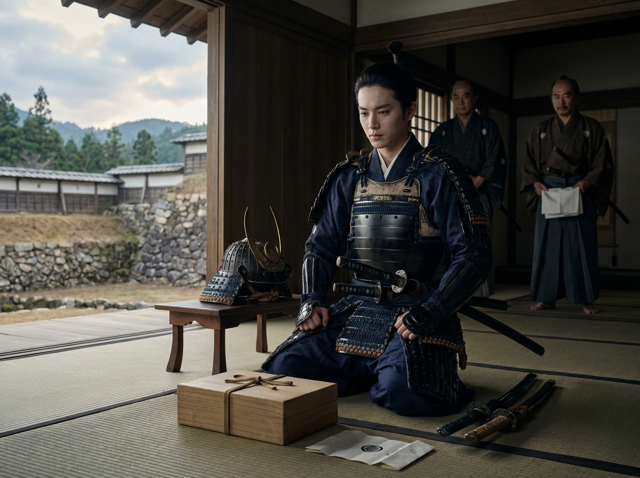
Matsudaira Nobuyasu was only twenty years old when his father ordered him to commit seppuku. The reason was not a defeat in battle, but a crisis inside the Tokugawa family that had become too dangerous to ignore.
-
Yamagata Masakage
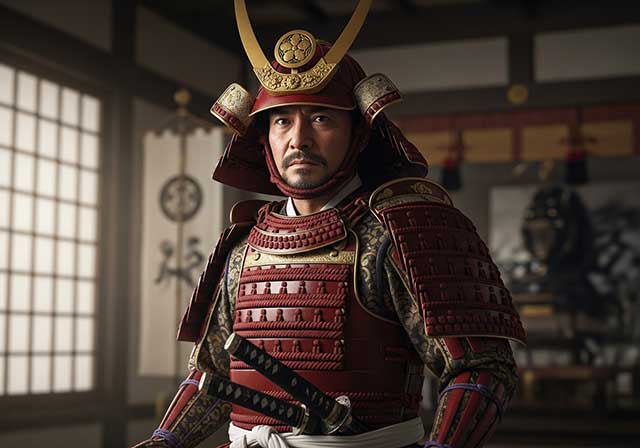
Masakage was one of Takeda Shingen’s most loyal and capable commanders. He was included in the famous list of the “Twenty-Four Generals of Takeda Shingen” and also belonged to the inner circle of four especially trusted warlords known as the Shitennō.
-
Yagyu Munenori
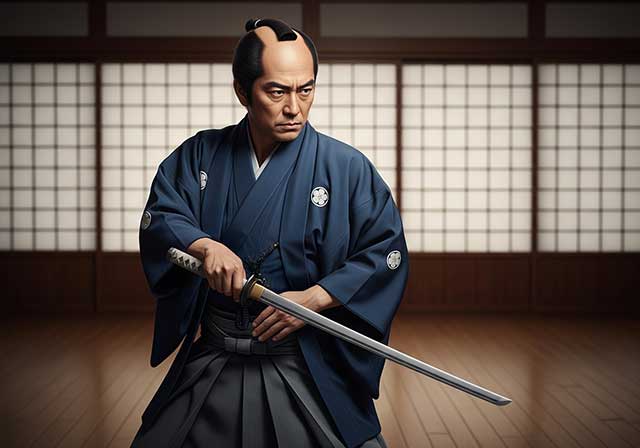
Yagyū Munenori began his service under Tokugawa Ieyasu while his father, Yagyū Muneyoshi, was still at his side. In 1600, Munenori took part in the decisive Battle of Sekigahara. As early as 1601, he was appointed a kenjutsu instructor to Tokugawa Hidetada, Ieyasu’s son, who later became the second shogun of the Tokugawa clan.
-
Yagyu Muneyoshi
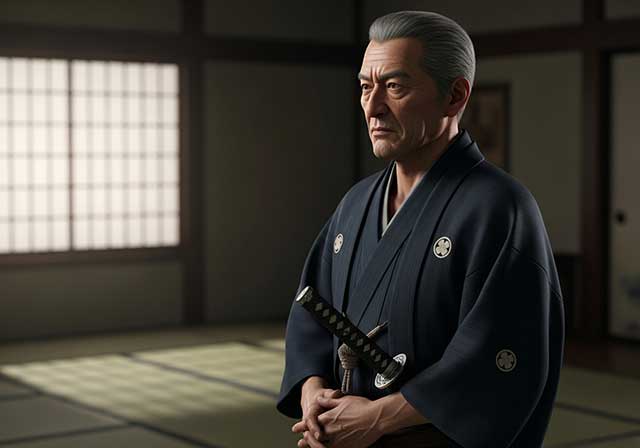
A samurai from Yamato Province, he was born into a family that had been defeated in its struggle against the Tsutsui clan. Muneyoshi first took part in battle at the age of sixteen. Due to circumstances beyond his control, he was forced to enter the service of the Tsutsui house and later served Miyoshi Tōkei. He subsequently came under the command of Matsunaga Hisahide and in time became a vassal first of Oda and later of Toyotomi.
-
Endo Naozune
Naozune served under Azai Nagamasa and was one of the clan’s leading vassals, renowned for his bravery and determination. He accompanied Nagamasa during his first meeting with Oda Nobunaga and at that time asked for permission to kill Nobunaga, fearing him as an extremely dangerous man; however, Nagamasa did not grant this request.