


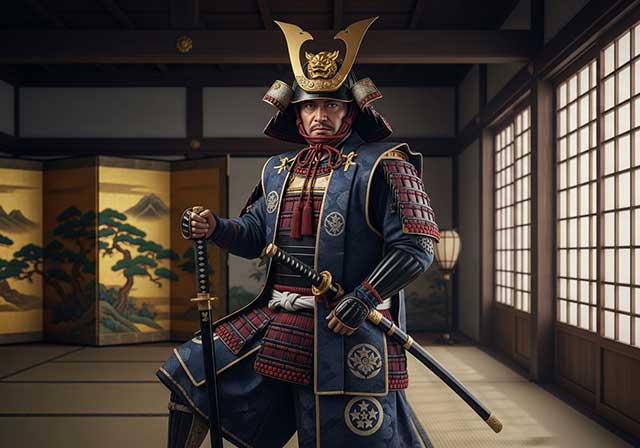
Sumimoto came from the Hosokawa clan: he was the biological son of Hosokawa Yoshiharu and at the same time the adopted son of Hosokawa Masamoto, the heir of Hosokawa Katsumoto, one of the principal instigators of the Ōnin War. Masamoto was homosexual, never married, and had no children of his own. At first he adopted Sumiyuki, a scion of the aristocratic Kujō family, but this choice provoked dissatisfaction and sharp criticism from the senior vassals of the Hosokawa house. As a result, Masamoto changed his decision and proclaimed Sumimoto as his heir, a representative of a collateral branch of the Hosokawa clan that had long been based in Awa Province on the island of Shikoku. Almost immediately after this, the boy became entangled in a complex and bitter web of political intrigue.
In 1504, Masamoto’s vassal Yakushiji Motoichi rose in rebellion, hoping to depose Masamoto and replace him with Sumimoto. The uprising failed: Masamoto’s troops defeated Yakushiji’s forces in Kyoto and, as a warning, took 114 heads. In 1506, another Hosokawa vassal, Miyoshi Yukinaga, also marched on Kyoto, claiming to act in Sumimoto’s name, but he too was defeated in street fighting in the capital. Having survived two attempts to overthrow him, Masamoto nevertheless fell victim to a third: while he was bathing, Hosokawa Sumiyuki, Kozai Motonaga, and their followers suddenly attacked him and cut off his head. This occurred in 1507. After Masamoto’s death, in the seventh month of that same year, Sumiyuki was appointed head of the Hosokawa clan and kanrei. His rule, however, proved extremely short-lived: about six weeks later, in the eighth month of 1507, the same Miyoshi Yukinaga raised troops in Settsu Province and attacked Sumiyuki in the name of Sumimoto. Sumiyuki committed suicide, and Sumimoto became the new head of the Hosokawa clan.
Still a teenager, Sumimoto was granted the title of kanrei and inherited all of the Hosokawa holdings on the island of Shikoku. Nevertheless, he continued to face powerful enemies. Hosokawa Takakuni, the third son of Hosokawa Masamoto, fled together with the shogun Ashikaga Yoshitane to Suō Province, where he sought the patronage of Ōuchi Yoshioki. In 1508, Yoshioki assembled a large army and marched east toward Kyoto. Sumimoto planned to confront him in Settsu Province, but Yoshioki’s forces were so numerous and strong that Sumimoto did not dare to engage them and instead withdrew, fleeing to Awa Province together with Miyoshi Yukinaga. As a result, his first tenure in power lasted only a little more than nine months.
In the seventh month of 1508, the positions of kanrei and head of the clan were taken over by Takakuni, who retained this authority until his death in 1527. Sumimoto returned to Kyoto in 1511, relying on the military support of his relative Hosokawa Masakata, but he was defeated by Ōuchi Yoshioki at the Battle of Funaokayama and once again fled to Shikoku. In 1519, after Yoshioki left the capital, Sumimoto made another attempt to seize Kyoto and hold it, but he was defeated by the combined forces of Hosokawa Takakuni and Rokkaku Sadayori. After this, he returned to his domains on the island of Shikoku, where he died the following year.
See also
-
Takeda Nobuyoshi
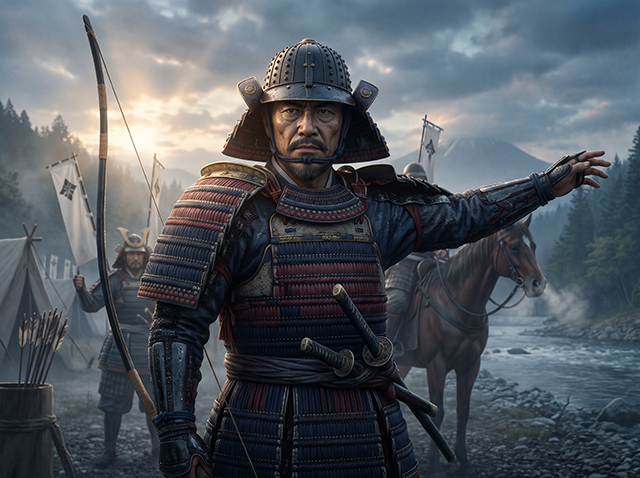
Takeda Nobuyoshi (1128–1186 or later) was a prominent Japanese samurai lord of the late Heian and early Kamakura periods and the founder of the Takeda clan.
-
Tokugawa Iemochi
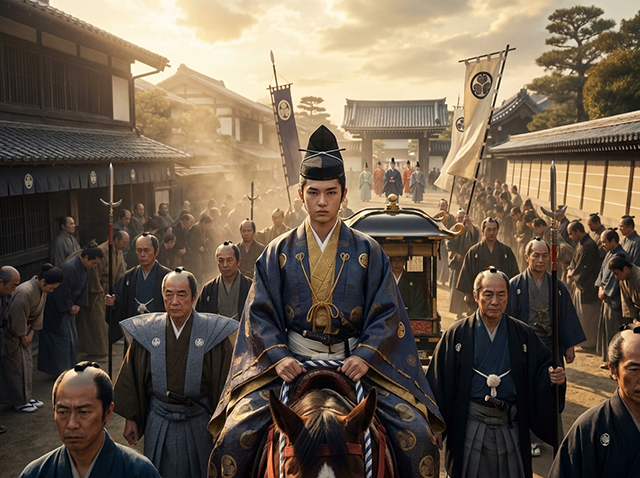
Tokugawa Iemochi (1846–1866) was the fourteenth shōgun of the Tokugawa shogunate and ruled from 1858 until his death. His reign came during the turbulent final years of the shogunate, when Japan faced growing Western pressure and serious internal political conflict.
-
Tokugawa Ienari
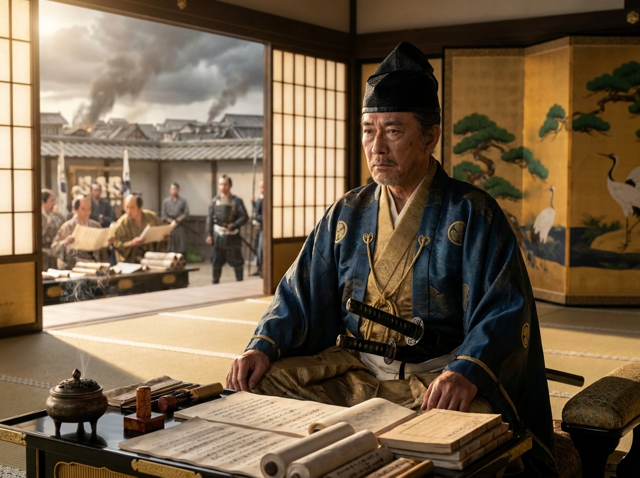
Tokugawa Ienari (1773–1841) was the eleventh shōgun of the Tokugawa shogunate and ruled from 1787 to 1837, making him the longest-serving Tokugawa shōgun. He was a great-grandson of the eighth shōgun, Tokugawa Yoshimune.
-
Matsudaira Nobuyasu
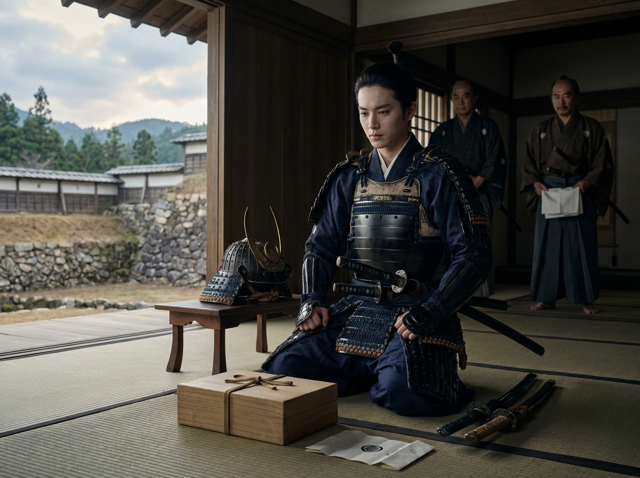
Matsudaira Nobuyasu was only twenty years old when his father ordered him to commit seppuku. The reason was not a defeat in battle, but a crisis inside the Tokugawa family that had become too dangerous to ignore.
-
Yamagata Masakage
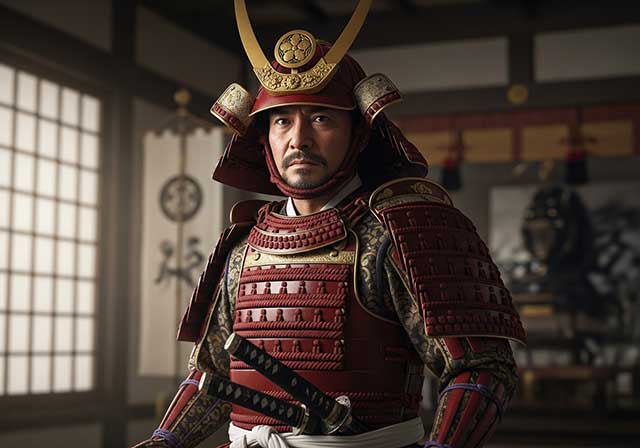
Masakage was one of Takeda Shingen’s most loyal and capable commanders. He was included in the famous list of the “Twenty-Four Generals of Takeda Shingen” and also belonged to the inner circle of four especially trusted warlords known as the Shitennō.
-
Yagyu Munenori
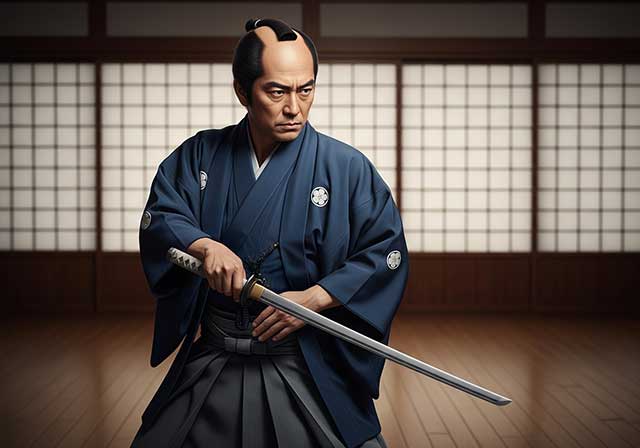
Yagyū Munenori began his service under Tokugawa Ieyasu while his father, Yagyū Muneyoshi, was still at his side. In 1600, Munenori took part in the decisive Battle of Sekigahara. As early as 1601, he was appointed a kenjutsu instructor to Tokugawa Hidetada, Ieyasu’s son, who later became the second shogun of the Tokugawa clan.
-
Yagyu Muneyoshi
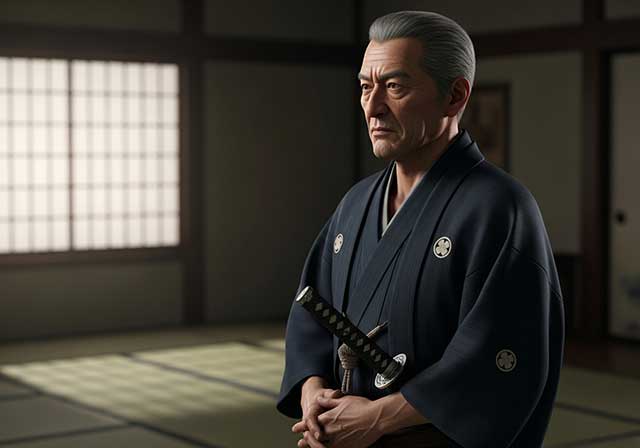
A samurai from Yamato Province, he was born into a family that had been defeated in its struggle against the Tsutsui clan. Muneyoshi first took part in battle at the age of sixteen. Due to circumstances beyond his control, he was forced to enter the service of the Tsutsui house and later served Miyoshi Tōkei. He subsequently came under the command of Matsunaga Hisahide and in time became a vassal first of Oda and later of Toyotomi.
-
Endo Naozune
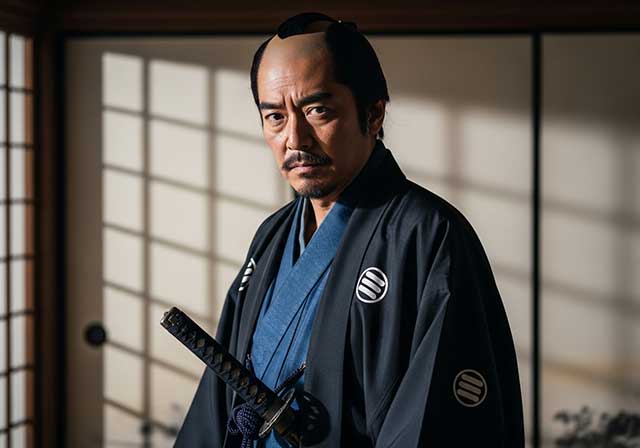
Naozune served under Azai Nagamasa and was one of the clan’s leading vassals, renowned for his bravery and determination. He accompanied Nagamasa during his first meeting with Oda Nobunaga and at that time asked for permission to kill Nobunaga, fearing him as an extremely dangerous man; however, Nagamasa did not grant this request.