


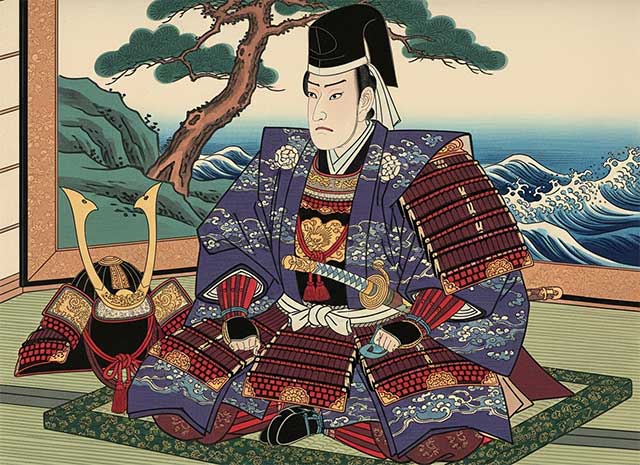
Hōjō Shigetoki, the third son of Hōjō Yoshitoki, was still very young—only five years old—when his grandfather Tokimasa became the first member of the Hōjō clan to assume the position of shogunal regent.
In 1223, Shigetoki was appointed governor of Suruga Province, and a few years later, in 1230, he became the shogun’s deputy in Kyoto. He held this important post for a long time, until 1247. In that year, the rival Miura clan suffered its final defeat, after which Shigetoki went to Kamakura to assist the regent Tokiyori in organizing and strengthening the bakufu government.
In 1256, he took Buddhist vows and withdrew from secular life, retiring to Gokuraku-ji, a temple of the Ritsu school that he himself had founded. There he spent the remaining years of his life in seclusion, devoted to contemplation and religious practice. His lifetime coincided with an era marked by the consolidation of the political and economic power of the warrior class, a period of relative stability compared to the preceding turmoil of the Genpei Wars, and the time immediately preceding the Ashikaga clan’s uprising.
Hōjō Shigetoki became known for his selfless support of high-ranking relatives who held positions within the bakufu administration, as well as for his deep and sincere devotion to Buddhism. Two of his writings have survived to the present day: The Precepts of Lord Rokuhara, a collection of practical advice written in 1247 for his son Nagatoki, and The Message of the Master of Gokuraku-ji, composed shortly after 1256 and addressed to his son and the senior members of the clan.
The latter text consists of one hundred articles and is written in the kanamajiri style. Its central theme is the moral duties of the warrior and the standards of conduct that leading members of the warrior class were ideally expected to follow. Throughout the work runs a strong emphasis on the Buddhist teaching of compassion for all living beings and a profound reflection on the principle of karmic retribution. It stresses that women, children, and all those of lower social standing should be treated with kindness and care, and even the very concept of loyalty to one’s superiors is imbued more with a religious than a Confucian sensibility.
See also
-
Takeda Nobuyoshi
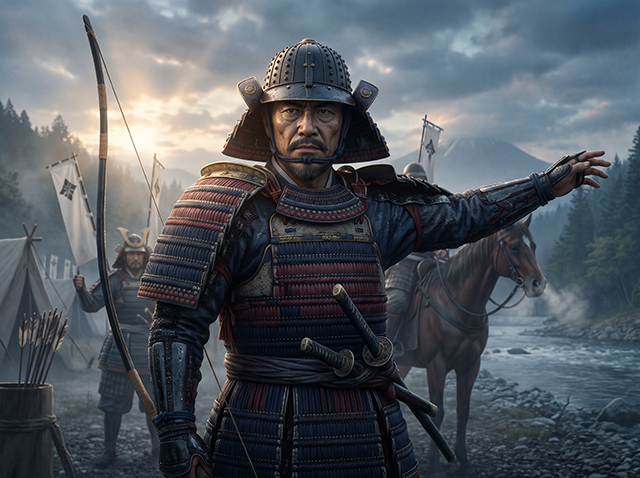
Takeda Nobuyoshi (1128–1186 or later) was a prominent Japanese samurai lord of the late Heian and early Kamakura periods and the founder of the Takeda clan.
-
Tokugawa Iemochi
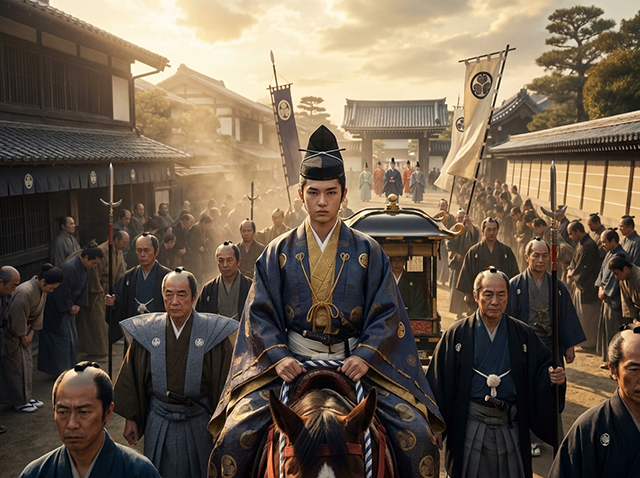
Tokugawa Iemochi (1846–1866) was the fourteenth shōgun of the Tokugawa shogunate and ruled from 1858 until his death. His reign came during the turbulent final years of the shogunate, when Japan faced growing Western pressure and serious internal political conflict.
-
Tokugawa Ienari
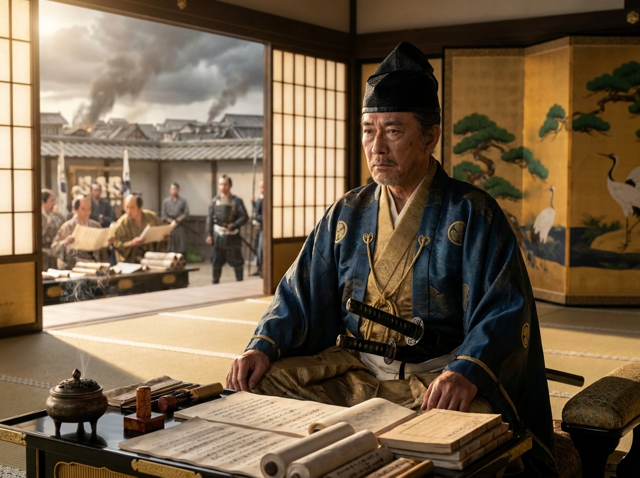
Tokugawa Ienari (1773–1841) was the eleventh shōgun of the Tokugawa shogunate and ruled from 1787 to 1837, making him the longest-serving Tokugawa shōgun. He was a great-grandson of the eighth shōgun, Tokugawa Yoshimune.
-
Matsudaira Nobuyasu
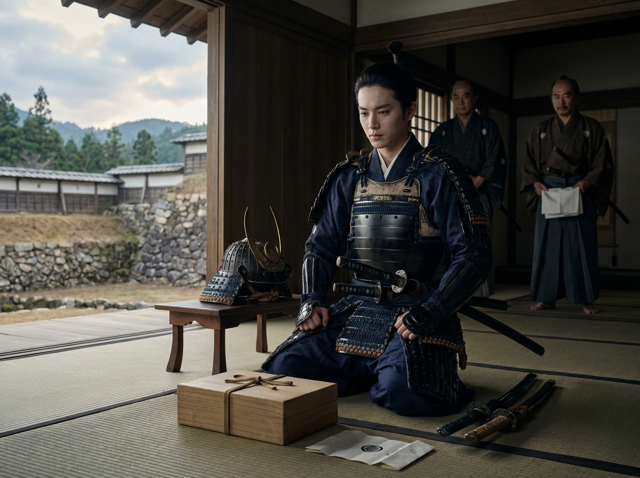
Matsudaira Nobuyasu was only twenty years old when his father ordered him to commit seppuku. The reason was not a defeat in battle, but a crisis inside the Tokugawa family that had become too dangerous to ignore.
-
Yamagata Masakage
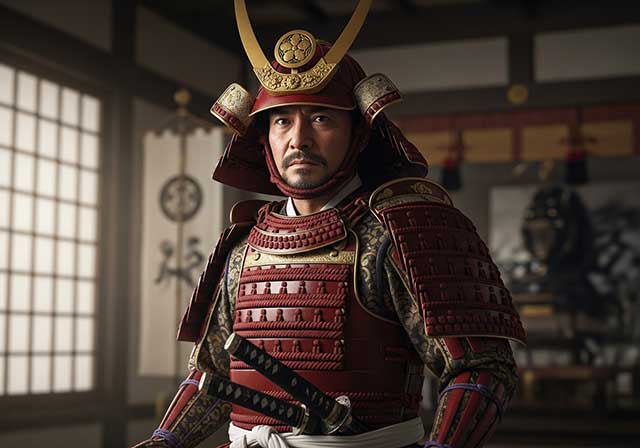
Masakage was one of Takeda Shingen’s most loyal and capable commanders. He was included in the famous list of the “Twenty-Four Generals of Takeda Shingen” and also belonged to the inner circle of four especially trusted warlords known as the Shitennō.
-
Yagyu Munenori
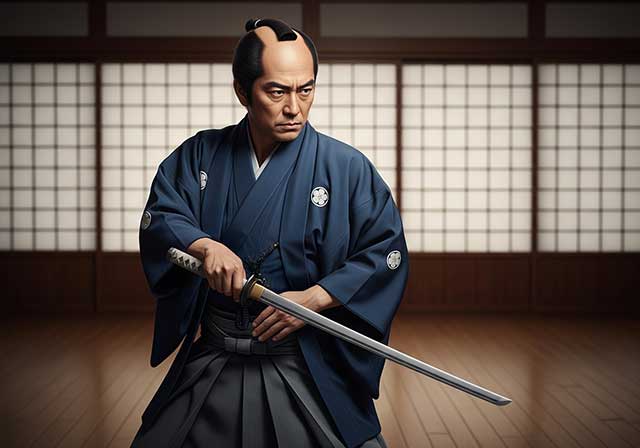
Yagyū Munenori began his service under Tokugawa Ieyasu while his father, Yagyū Muneyoshi, was still at his side. In 1600, Munenori took part in the decisive Battle of Sekigahara. As early as 1601, he was appointed a kenjutsu instructor to Tokugawa Hidetada, Ieyasu’s son, who later became the second shogun of the Tokugawa clan.
-
Yagyu Muneyoshi
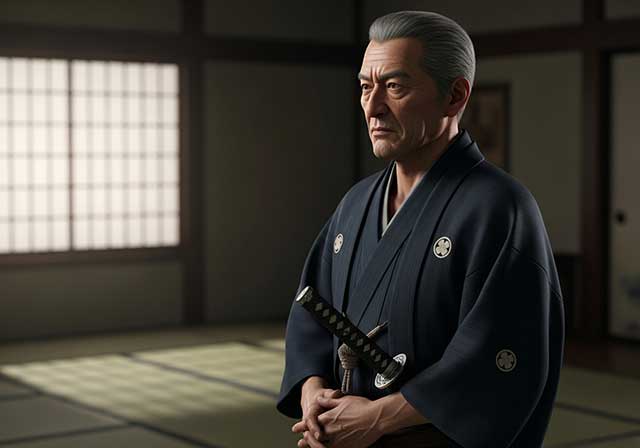
A samurai from Yamato Province, he was born into a family that had been defeated in its struggle against the Tsutsui clan. Muneyoshi first took part in battle at the age of sixteen. Due to circumstances beyond his control, he was forced to enter the service of the Tsutsui house and later served Miyoshi Tōkei. He subsequently came under the command of Matsunaga Hisahide and in time became a vassal first of Oda and later of Toyotomi.
-
Endo Naozune
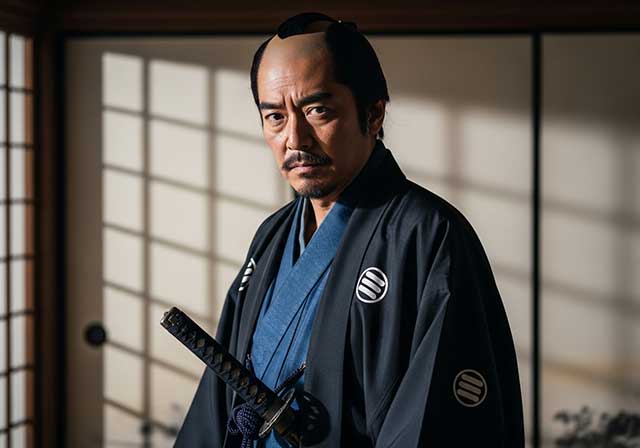
Naozune served under Azai Nagamasa and was one of the clan’s leading vassals, renowned for his bravery and determination. He accompanied Nagamasa during his first meeting with Oda Nobunaga and at that time asked for permission to kill Nobunaga, fearing him as an extremely dangerous man; however, Nagamasa did not grant this request.