


Masakatsu came from the ancient Abe clan, whose progenitor, according to the Nihon Shoki chronicle, is considered to be Prince Ohiko-no-mikoto (2nd century BC), son of Emperor Kogen. From the Nara period (710–784), members of the Abe clan held high positions in the government, including at the ministerial level, and from the Heian period (794–1185) onwards, the clan gained widespread fame, which continued until the Edo period.
Masakatsu was the son of Abe Masanobu and served Tokugawa Ieyasu from childhood. He accompanied Ieyasu when he was held hostage at Sumpu Castle and showed loyalty to his lord from a young age. Later, Masakatsu actively helped Ieyasu in battles against the Imagawa and Takeda clans, proving himself to be a brave and experienced warrior.
After the conquest of the Kanto region in 1590, Masakatsu received from Ieyasu as a reward the domains of Ichihara in Izumo Province and Hatogaya in Musashi Province, with a total income of 5,000 koku of rice. In 1594, he was granted the title of Iyo-no-kami and received from Toyotomi Hideyoshi the right to use the Toyotomi surname, which was a sign of special recognition and respect.
Masakatsu died in Osaka in 1600. His son and heir, Masatsugu (1569–1647), continued to serve the Tokugawa family. Under the command of Tokugawa Hidetada, he participated in the siege of Osaka in 1614, where he distinguished himself by taking the largest number of enemy heads. For his services, Masatsugu enjoyed the patronage of the Tokugawa shogunate until the end of his days. His income gradually increased, reaching 86,000 koku of rice.
See also
-
Takeda Nobuyoshi
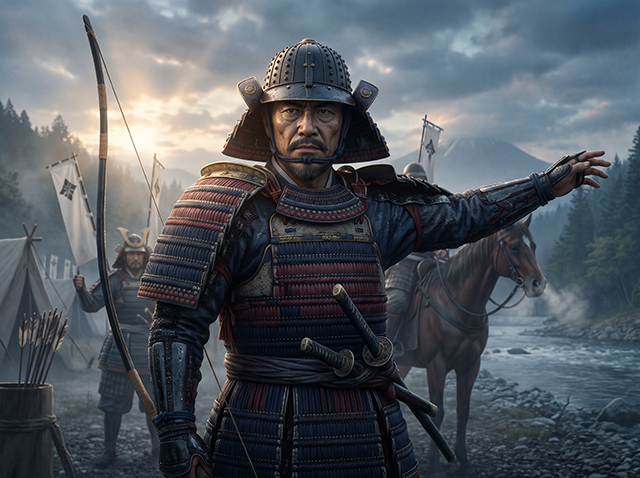
Takeda Nobuyoshi (1128–1186 or later) was a prominent Japanese samurai lord of the late Heian and early Kamakura periods and the founder of the Takeda clan.
-
Tokugawa Iemochi
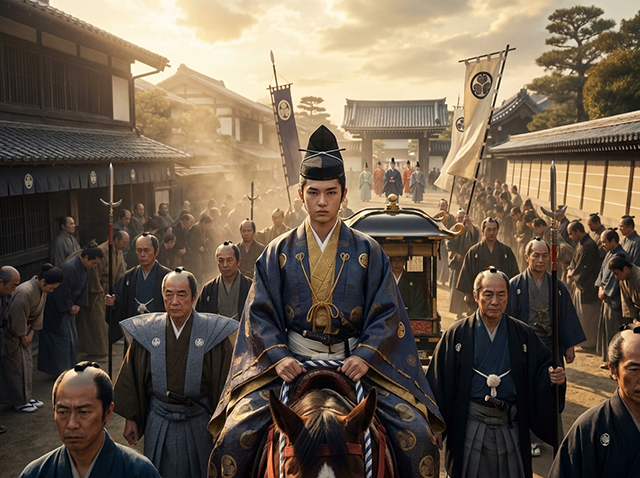
Tokugawa Iemochi (1846–1866) was the fourteenth shōgun of the Tokugawa shogunate and ruled from 1858 until his death. His reign came during the turbulent final years of the shogunate, when Japan faced growing Western pressure and serious internal political conflict.
-
Tokugawa Ienari
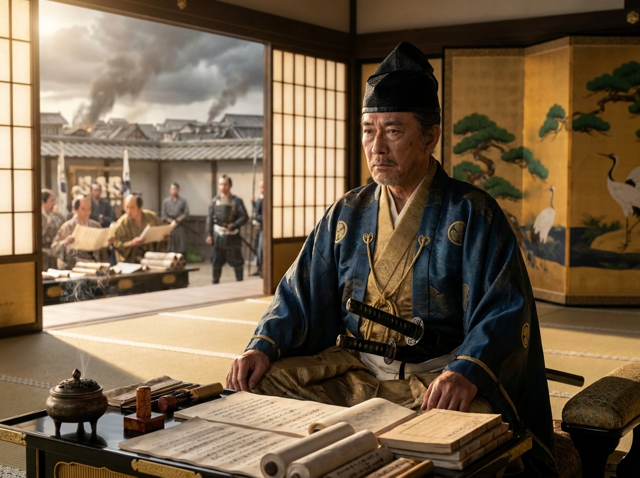
Tokugawa Ienari (1773–1841) was the eleventh shōgun of the Tokugawa shogunate and ruled from 1787 to 1837, making him the longest-serving Tokugawa shōgun. He was a great-grandson of the eighth shōgun, Tokugawa Yoshimune.
-
Matsudaira Nobuyasu
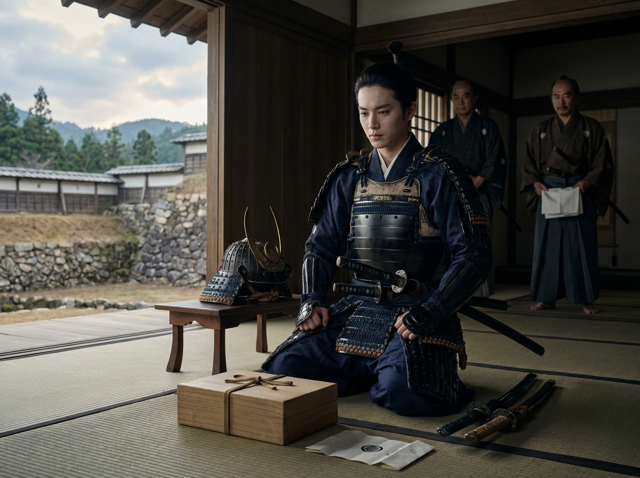
Matsudaira Nobuyasu was only twenty years old when his father ordered him to commit seppuku. The reason was not a defeat in battle, but a crisis inside the Tokugawa family that had become too dangerous to ignore.
-
Yamagata Masakage
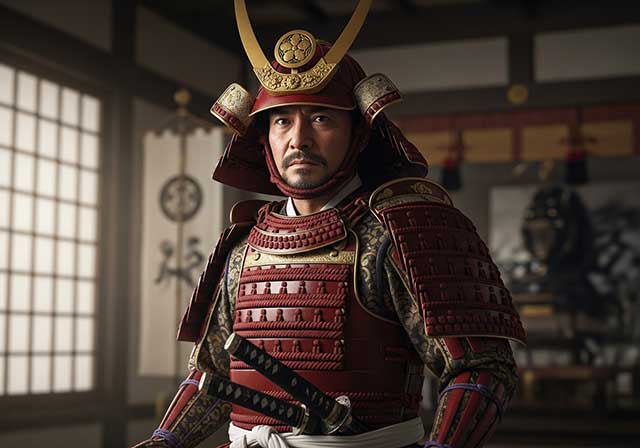
Masakage was one of Takeda Shingen’s most loyal and capable commanders. He was included in the famous list of the “Twenty-Four Generals of Takeda Shingen” and also belonged to the inner circle of four especially trusted warlords known as the Shitennō.
-
Yagyu Munenori
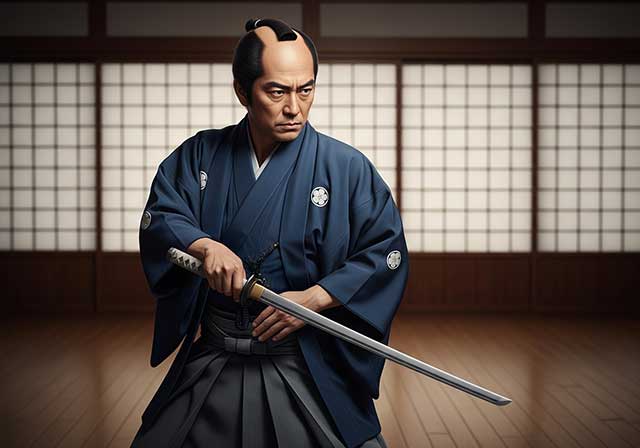
Yagyū Munenori began his service under Tokugawa Ieyasu while his father, Yagyū Muneyoshi, was still at his side. In 1600, Munenori took part in the decisive Battle of Sekigahara. As early as 1601, he was appointed a kenjutsu instructor to Tokugawa Hidetada, Ieyasu’s son, who later became the second shogun of the Tokugawa clan.
-
Yagyu Muneyoshi
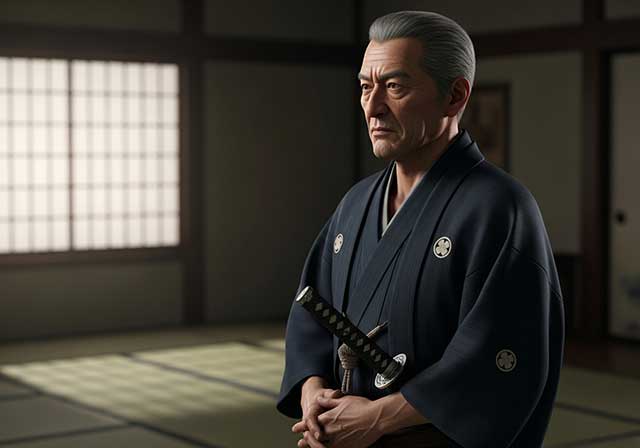
A samurai from Yamato Province, he was born into a family that had been defeated in its struggle against the Tsutsui clan. Muneyoshi first took part in battle at the age of sixteen. Due to circumstances beyond his control, he was forced to enter the service of the Tsutsui house and later served Miyoshi Tōkei. He subsequently came under the command of Matsunaga Hisahide and in time became a vassal first of Oda and later of Toyotomi.
-
Endo Naozune
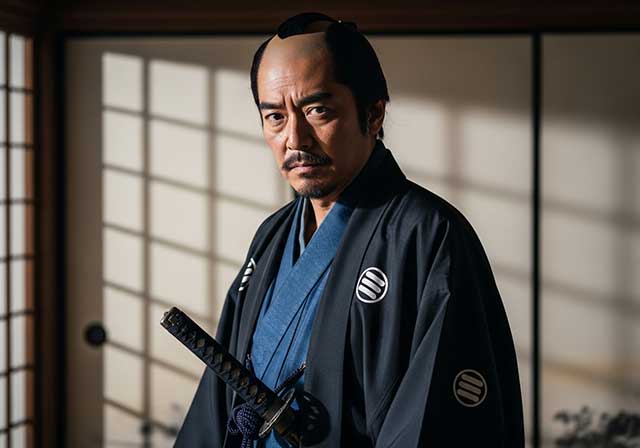
Naozune served under Azai Nagamasa and was one of the clan’s leading vassals, renowned for his bravery and determination. He accompanied Nagamasa during his first meeting with Oda Nobunaga and at that time asked for permission to kill Nobunaga, fearing him as an extremely dangerous man; however, Nagamasa did not grant this request.