


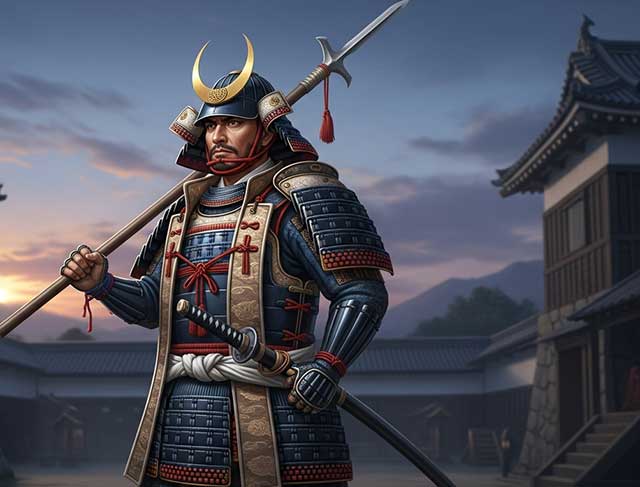
Moritsuna was the son of Watanabe Takatsuna, a vassal of the Matsudaira clan. He was the same age as Tokugawa Ieyasu and was held hostage with him by the Imagawa clan. In 1557, Moritsuna joined Ieyasu.
As Moritsuna was a follower of the True Pure Land sect, he initially joined the Ikko-ikki rebellion against Tokugawa in Mikawa Province in 1563. However, he later returned to serve Ieyasu, was pardoned, and subsequently served him loyally. Moritsuna was one of Ieyasu's sixteen most trusted generals, known as the “Tokugawa Juroku Shinsho.”
He was nicknamed “Spear Handzo” (“Yari no Handzo”) because of his mastery of the spear. This nickname was also used to distinguish him from another famous Hanzo from the Hattori clan, who was called “Hanzo the Devil” (“Oni no Hanzo”).
Watanabe fought on the Tokugawa side in the battles of Anegawa (1570), Mikatagahara (1573), and Nagashino (1575). He also took part in the Battle of Sekigahara, helping Ieyasu, and later served his son, Tokugawa Yoshinao, until his retirement. Moritsuna died in Nagoya in 1620 at the age of seventy-eight.
See also
-
Takeda Nobuyoshi
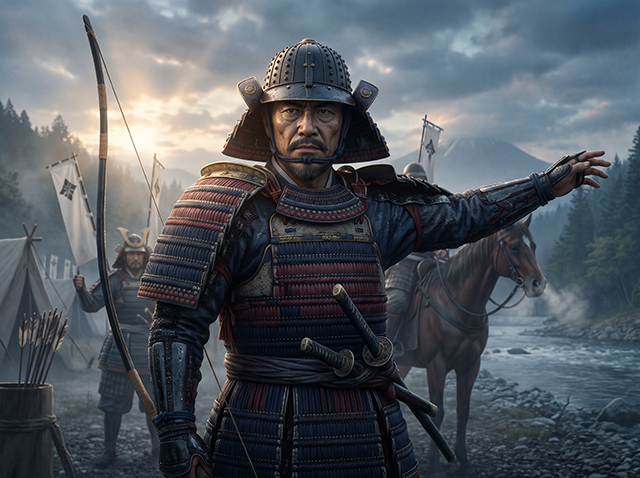
Takeda Nobuyoshi (1128–1186 or later) was a prominent Japanese samurai lord of the late Heian and early Kamakura periods and the founder of the Takeda clan.
-
Tokugawa Iemochi
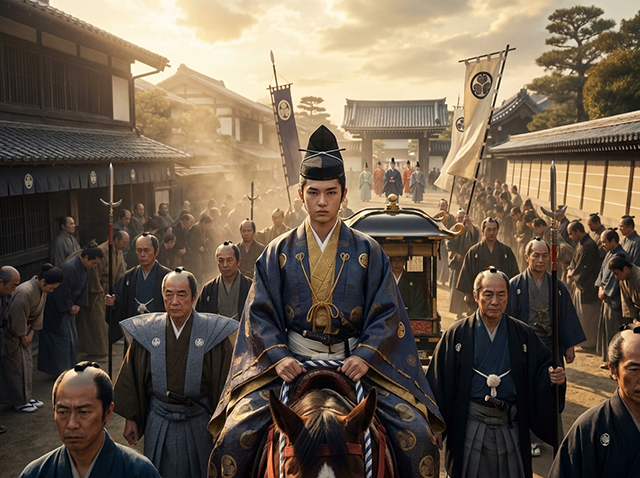
Tokugawa Iemochi (1846–1866) was the fourteenth shōgun of the Tokugawa shogunate and ruled from 1858 until his death. His reign came during the turbulent final years of the shogunate, when Japan faced growing Western pressure and serious internal political conflict.
-
Tokugawa Ienari
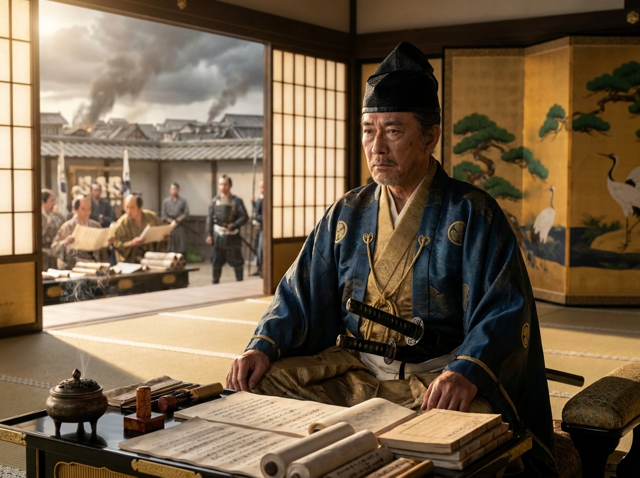
Tokugawa Ienari (1773–1841) was the eleventh shōgun of the Tokugawa shogunate and ruled from 1787 to 1837, making him the longest-serving Tokugawa shōgun. He was a great-grandson of the eighth shōgun, Tokugawa Yoshimune.
-
Matsudaira Nobuyasu
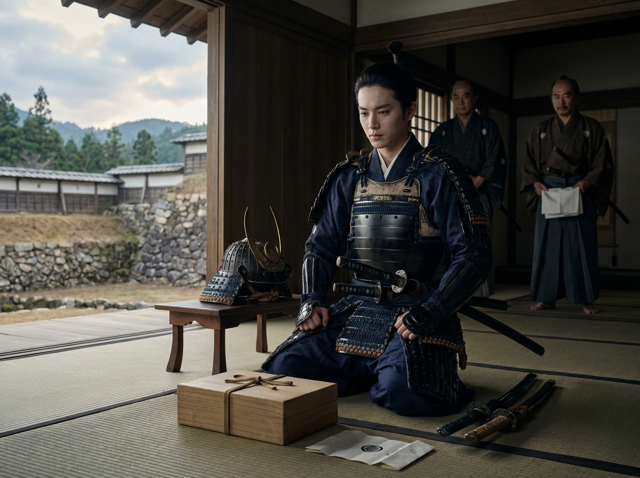
Matsudaira Nobuyasu was only twenty years old when his father ordered him to commit seppuku. The reason was not a defeat in battle, but a crisis inside the Tokugawa family that had become too dangerous to ignore.
-
Yamagata Masakage
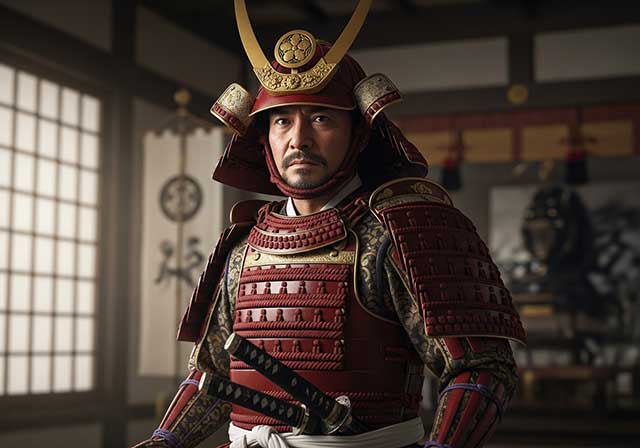
Masakage was one of Takeda Shingen’s most loyal and capable commanders. He was included in the famous list of the “Twenty-Four Generals of Takeda Shingen” and also belonged to the inner circle of four especially trusted warlords known as the Shitennō.
-
Yagyu Munenori
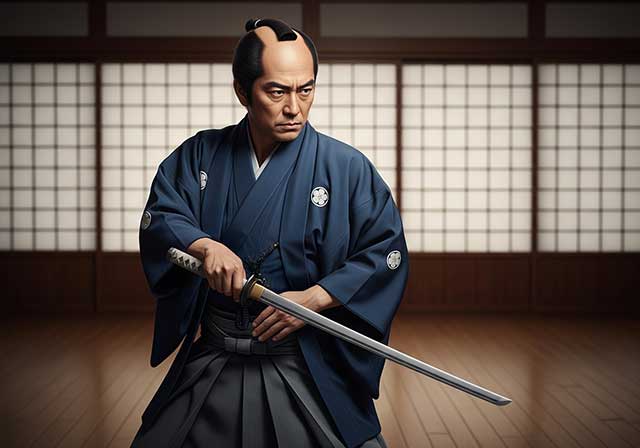
Yagyū Munenori began his service under Tokugawa Ieyasu while his father, Yagyū Muneyoshi, was still at his side. In 1600, Munenori took part in the decisive Battle of Sekigahara. As early as 1601, he was appointed a kenjutsu instructor to Tokugawa Hidetada, Ieyasu’s son, who later became the second shogun of the Tokugawa clan.
-
Yagyu Muneyoshi
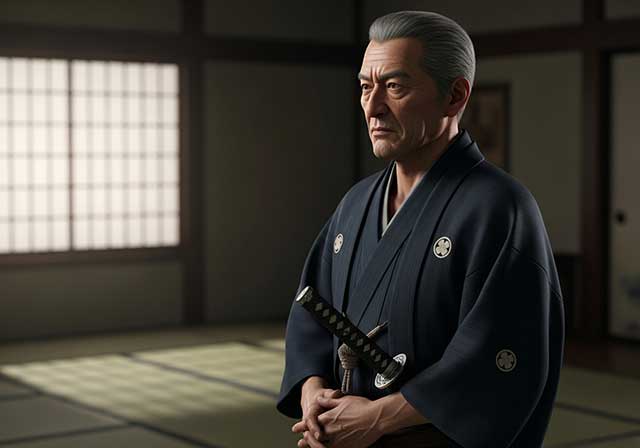
A samurai from Yamato Province, he was born into a family that had been defeated in its struggle against the Tsutsui clan. Muneyoshi first took part in battle at the age of sixteen. Due to circumstances beyond his control, he was forced to enter the service of the Tsutsui house and later served Miyoshi Tōkei. He subsequently came under the command of Matsunaga Hisahide and in time became a vassal first of Oda and later of Toyotomi.
-
Endo Naozune
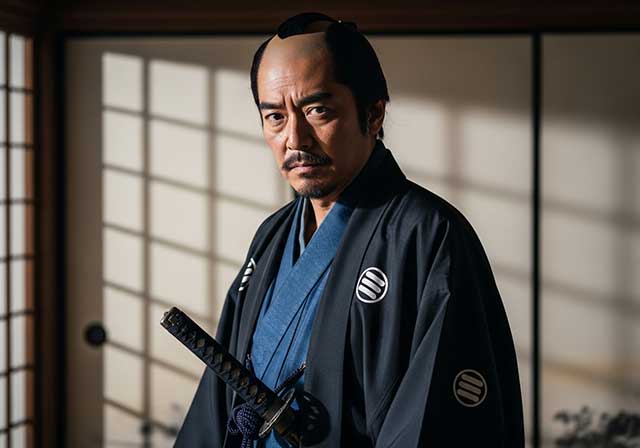
Naozune served under Azai Nagamasa and was one of the clan’s leading vassals, renowned for his bravery and determination. He accompanied Nagamasa during his first meeting with Oda Nobunaga and at that time asked for permission to kill Nobunaga, fearing him as an extremely dangerous man; however, Nagamasa did not grant this request.