


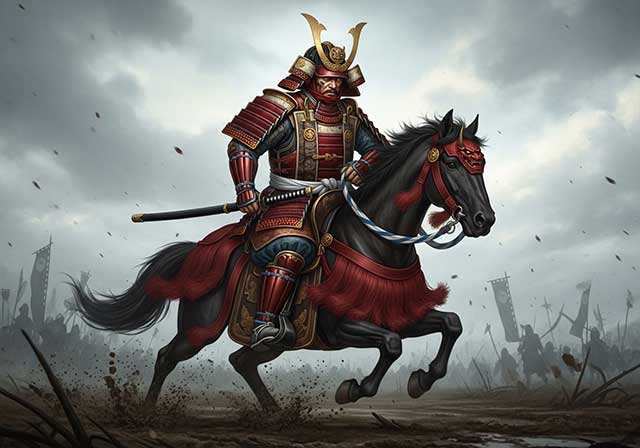
Taira no Masakado embodied the quintessential samurai of his era—self-assured, harsh, and unyielding. In his youth, he served in the palace guard and repeatedly proved his bravery while suppressing unrest. Thanks to these achievements, Masakado sought the post of chief of the capital’s military-police office (the kebiishi-chō), but he was rejected: by that time, nearly all court positions—now little more than privileged sinecures—were controlled by members of the powerful Fujiwara clan.
Outraged by their complete dominance, Masakado left government service in 931 and withdrew to the Kantō region. Denied any lawful path to influence, he decided instead to seize power by force and began taking over neighboring estates.
Facing a growing threat, the eastern branches of the Minamoto and Taira clans united, but in 935 they were defeated by Masakado at Nomoto. Like a dark demon from the Buddhist hells, he appeared anywhere in Kantō, destroying his enemies along with their families and retainers and leaving their abandoned homes in ashes.
By 939, Masakado had brought all eight eastern provinces under his control—the largest rice-producing region in the country and, at the same time, the cradle of the region’s fierce warriors. For a long while, the government essentially ignored his actions: it lacked both the will and the strength to hold him accountable. But Masakado himself was the first to openly challenge Kyoto, declaring, “In our age, the one who rules is the one who defeats all rivals. Heaven has granted me courage and the spirit of a warrior, and I will take the imperial throne for myself!” He then proclaimed himself the new emperor (shinkō)—a step without precedent in the past or in any later age of turmoil.
In response, the court sent an army against him under the command of his cousin Taira no Sadamori and Fujiwara no Hidesato. Sadamori had already attempted to kill Masakado several years earlier, but had been defeated and barely escaped with his life. This time, he launched a ruthless campaign, destroying not only Masakado’s supporters but anyone who might side with him. Masakado’s forces weakened rapidly: from eight thousand warriors, only about four hundred samurai remained. Driven into the mountains with the remnants of his band, he fought to the end, but was surrounded, and Sadamori personally dealt the fatal shot, striking the “New Emperor of Heian” in the temple with an arrow.
Masakado’s story is the subject of Karl Friday’s excellent book The First Samurai.
See also
-
Tokugawa Iemochi
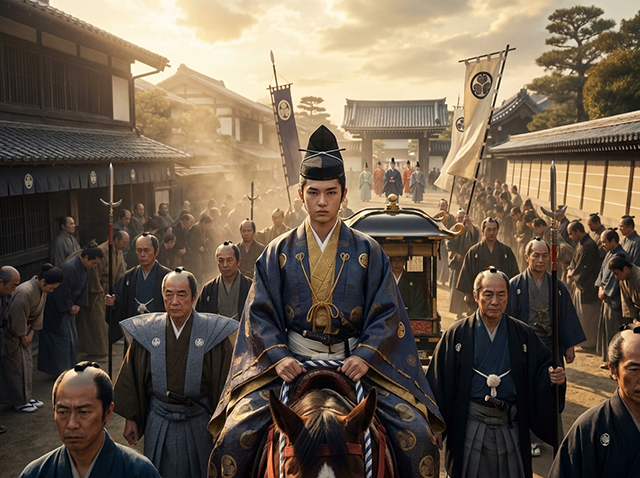
Tokugawa Iemochi (1846–1866) was the fourteenth shōgun of the Tokugawa shogunate and ruled from 1858 until his death. His reign came during the turbulent final years of the shogunate, when Japan faced growing Western pressure and serious internal political conflict.
-
Tokugawa Ienari
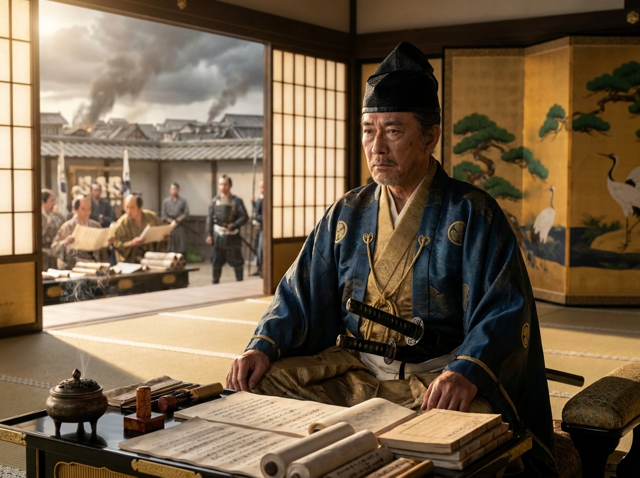
Tokugawa Ienari (1773–1841) was the eleventh shōgun of the Tokugawa shogunate and ruled from 1787 to 1837, making him the longest-serving Tokugawa shōgun. He was a great-grandson of the eighth shōgun, Tokugawa Yoshimune.
-
Matsudaira Nobuyasu
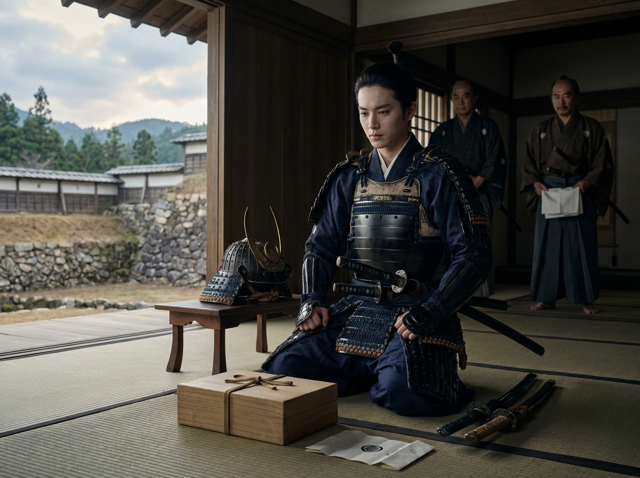
Matsudaira Nobuyasu was only twenty years old when his father ordered him to commit seppuku. The reason was not a defeat in battle, but a crisis inside the Tokugawa family that had become too dangerous to ignore.
-
Yamagata Masakage
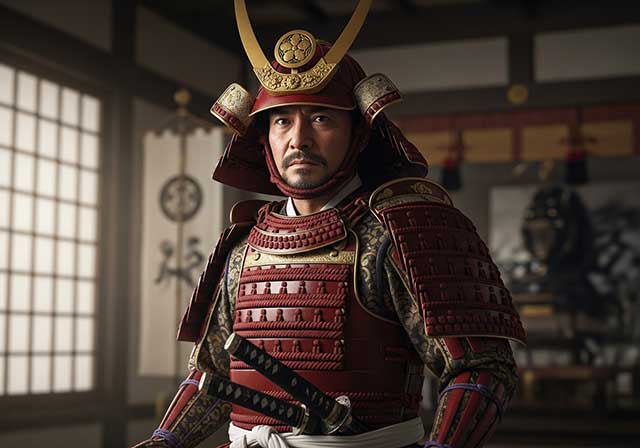
Masakage was one of Takeda Shingen’s most loyal and capable commanders. He was included in the famous list of the “Twenty-Four Generals of Takeda Shingen” and also belonged to the inner circle of four especially trusted warlords known as the Shitennō.
-
Yagyu Munenori
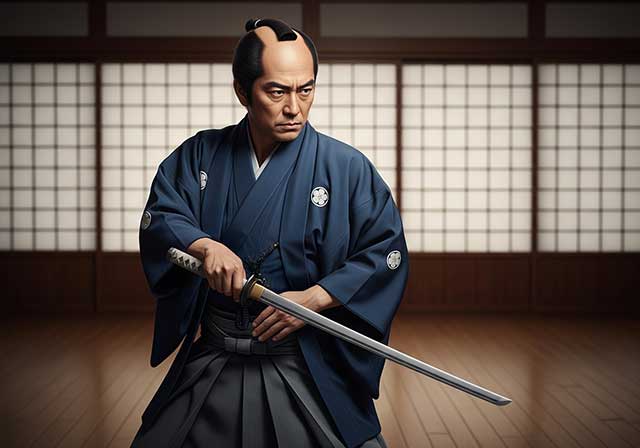
Yagyū Munenori began his service under Tokugawa Ieyasu while his father, Yagyū Muneyoshi, was still at his side. In 1600, Munenori took part in the decisive Battle of Sekigahara. As early as 1601, he was appointed a kenjutsu instructor to Tokugawa Hidetada, Ieyasu’s son, who later became the second shogun of the Tokugawa clan.
-
Yagyu Muneyoshi
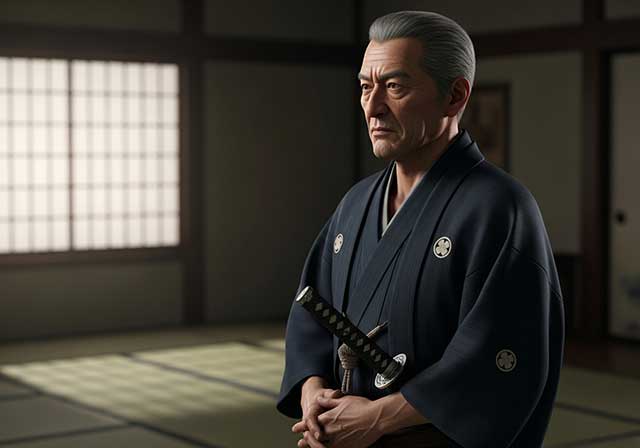
A samurai from Yamato Province, he was born into a family that had been defeated in its struggle against the Tsutsui clan. Muneyoshi first took part in battle at the age of sixteen. Due to circumstances beyond his control, he was forced to enter the service of the Tsutsui house and later served Miyoshi Tōkei. He subsequently came under the command of Matsunaga Hisahide and in time became a vassal first of Oda and later of Toyotomi.
-
Endo Naozune
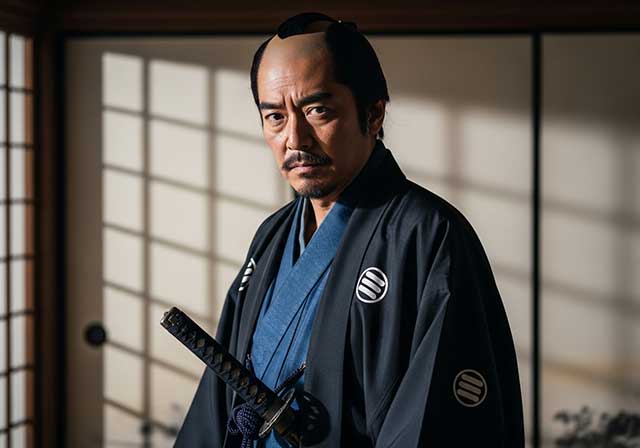
Naozune served under Azai Nagamasa and was one of the clan’s leading vassals, renowned for his bravery and determination. He accompanied Nagamasa during his first meeting with Oda Nobunaga and at that time asked for permission to kill Nobunaga, fearing him as an extremely dangerous man; however, Nagamasa did not grant this request.
-
Hosokawa Sumimoto
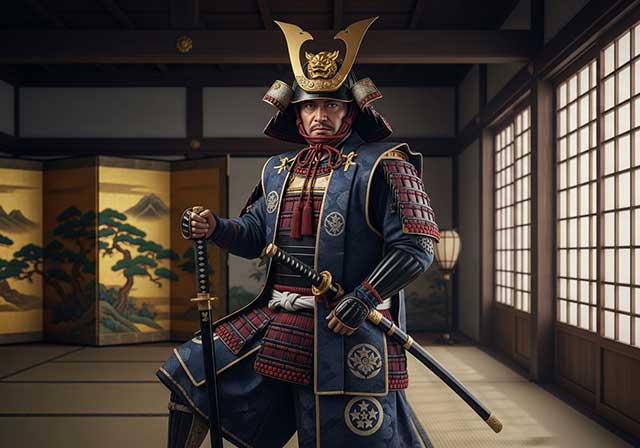
Sumimoto came from the Hosokawa clan: he was the biological son of Hosokawa Yoshiharu and at the same time the adopted son of Hosokawa Masamoto, the heir of Hosokawa Katsumoto, one of the principal instigators of the Ōnin War. Masamoto was homosexual, never married, and had no children of his own. At first he adopted Sumiyuki, a scion of the aristocratic Kujō family, but this choice provoked dissatisfaction and sharp criticism from the senior vassals of the Hosokawa house. As a result, Masamoto changed his decision and proclaimed Sumimoto as his heir, a representative of a collateral branch of the Hosokawa clan that had long been based in Awa Province on the island of Shikoku. Almost immediately after this, the boy became entangled in a complex and bitter web of political intrigue.